MM logo white 1
MM logo red
Image description is not available

Projector or TV: what suits you?

Femke2 JUNE 2026
A couple dine outdoors under warm lights while watching a concert on a large screen in the evening.

Not sure whether to choose a TV or a projector? Both devices have their own benefits and differ in important areas, such as picture quality, size, ease of use and installation. By comparing these aspects carefully, it's easier to make the choice that suits your room and viewing habits.

Choose a TV or projector for the World Cup

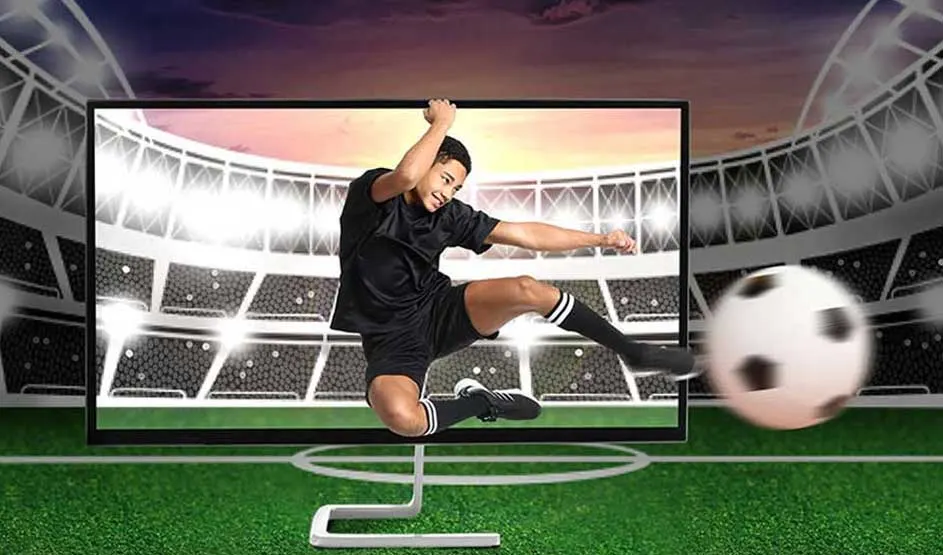
A footballer in black shoots at goal in a stadium; the ball flies large and blurred towards the viewer.

Want to watch the World Cup this summer? Choose a TV or projector that suits how you like to watch. Go for a projector if you want to bring the stadium feeling into your home, you're after an extra-large image and you'll mainly be watching in the evening or in a dark room. If you want to follow matches both during the day and in the evening, a TV is likely to suit you better. What's more, with a TV you can choose from a range of screen sizes, from compact to extra large.

How to watch the World Cup football at its best
The differences between TVs and projectors at a glance

Two people watch television from bed in a warm, softly lit bedroom.
  • When choosing between a TV and a projector, several aspects matter: picture quality, screen size, viewing distance and room size, how you'll use it, sound quality, connections and smart features, installation options and maintenance.
  • A TV is especially suitable for everyday use such as watching TV and gaming, and it often offers the best picture quality in both bright and dark rooms.
  • A projector is particularly useful for streaming films, series and sport on a large screen in a dark room.

The best TVs and projectors for your home cinema

What should you look out for when choosing between a projector and a TV?

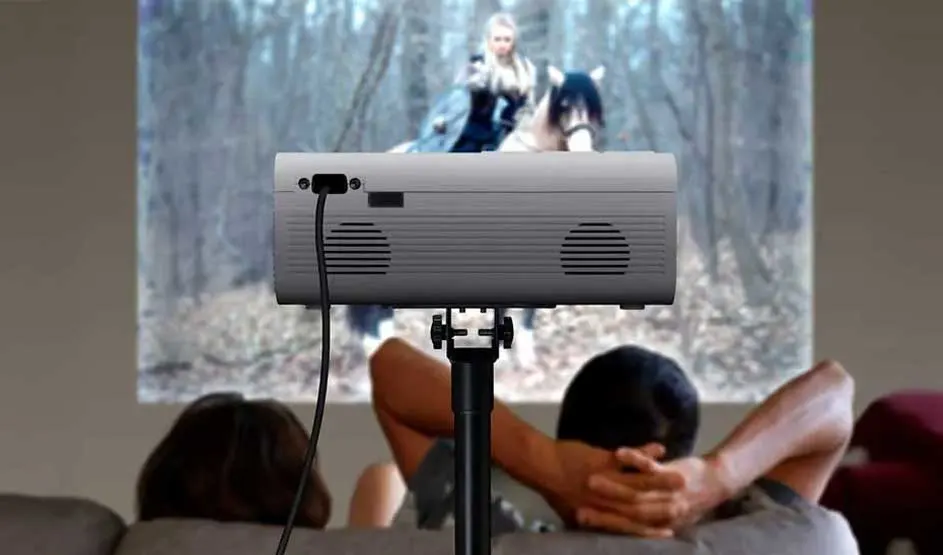
A projector on a stand shows a film while two people watch in a relaxed living-room setting.

A TV and a projector each have their own strengths. Which option suits you best depends on several factors, such as picture quality, space, ease of use and installation. Below, you'll find what to look out for in each area to help you make the right choice.

What is a projector?
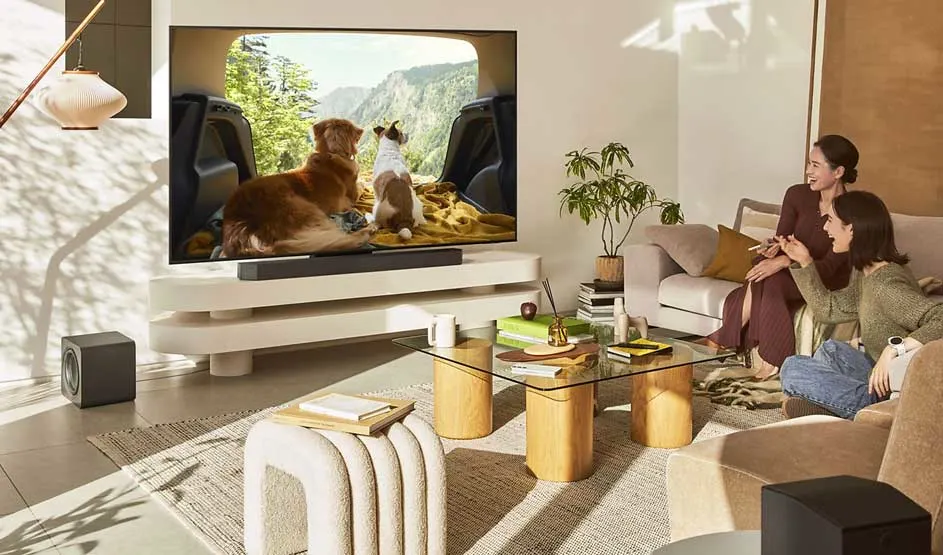
Two women relax while watching a large television showing dogs, in a bright and modern living room.

Picture quality

Picture quality is one of the main differences between a projector and a TV. A TV generally delivers a brighter and sharper image. You'll notice this especially in rooms with plenty of daylight. Many modern TVs support technologies such as 4K, HDR and Dolby Vision. This means you get high contrast, deep blacks and vivid colours.

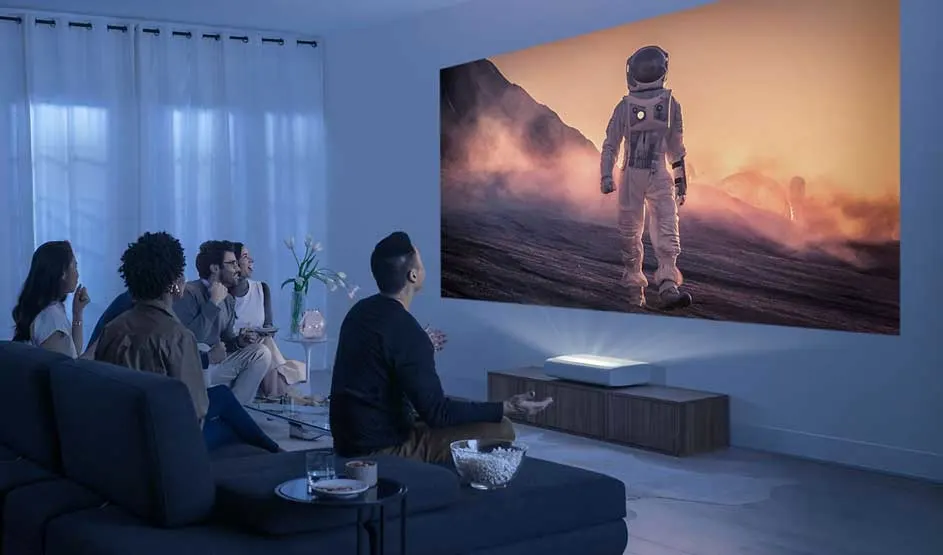
A group watch in a dark living room as a huge projection shows an astronaut on a distant planet.

A projector can also offer high picture quality, especially with modern models featuring Full HD or 4K resolution[Sv1] . Some projectors support HDR too. The picture quality of a projector does depend heavily on the room you're watching in, though. In a dark room, a projector image looks its best, but in brighter rooms the black levels and brightness are usually less impressive than on a TV.

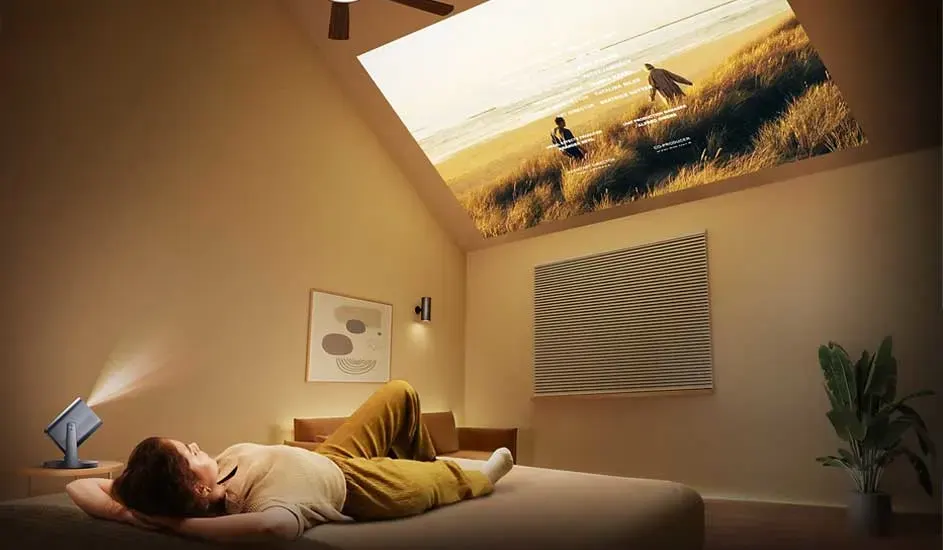
Someone lies relaxed on a bed, watching a film projected onto the sloping ceiling of a warm room.

Screen size

A projector's big advantage is its large image size. With a projector, you can easily create an image of 100 inches or more. That gives you a true cinema experience at home. This makes a projector especially appealing if you enjoy watching films or sport on a large screen.

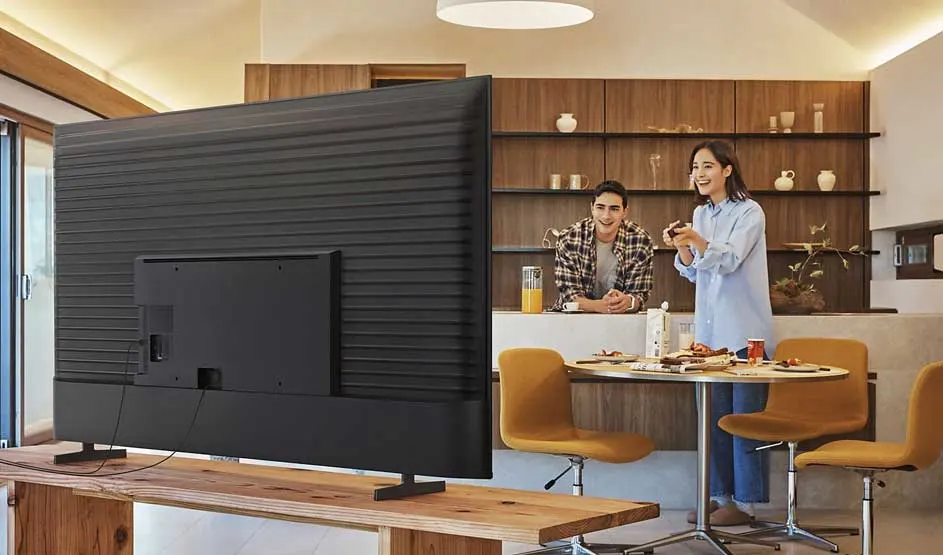
A large television stands in the foreground while two people are together in a modern dining room.

TVs are available in many sizes, from compact models for the bedroom to large TVs for the living room. With a TV, though, you're limited to one fixed physical size. If you want a very large image without bringing an enormous screen into your home straight away, or you'd like more flexibility, a projector is often the better choice.

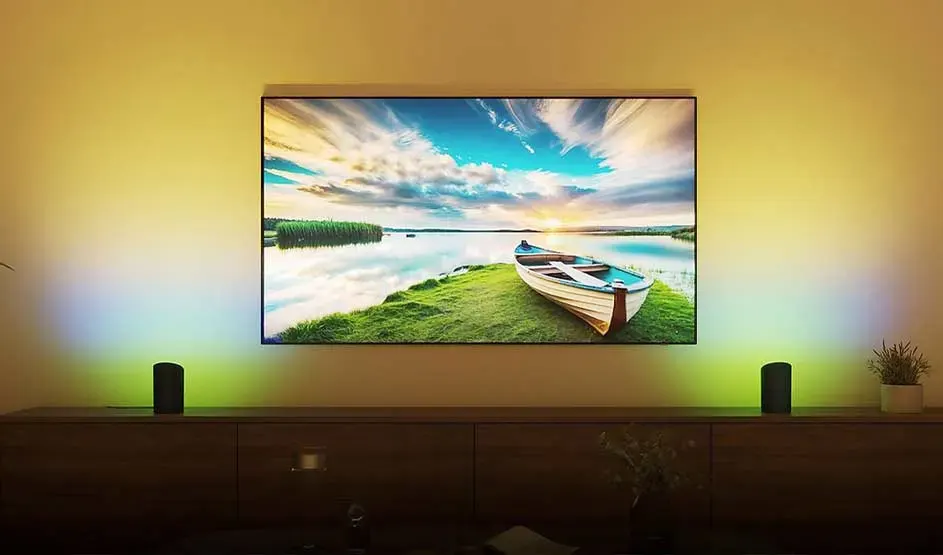
A large television shows a boat by the water, with ambient coloured lighting glowing on the wall behind.

Viewing distance and room size

With both a projector and a TV, viewing distance matters. The size of the screen determines how far away you should sit. With a large TV or projector screen, it's more comfortable to sit further back so you can take in the whole image properly. With a smaller screen, you can sit closer.

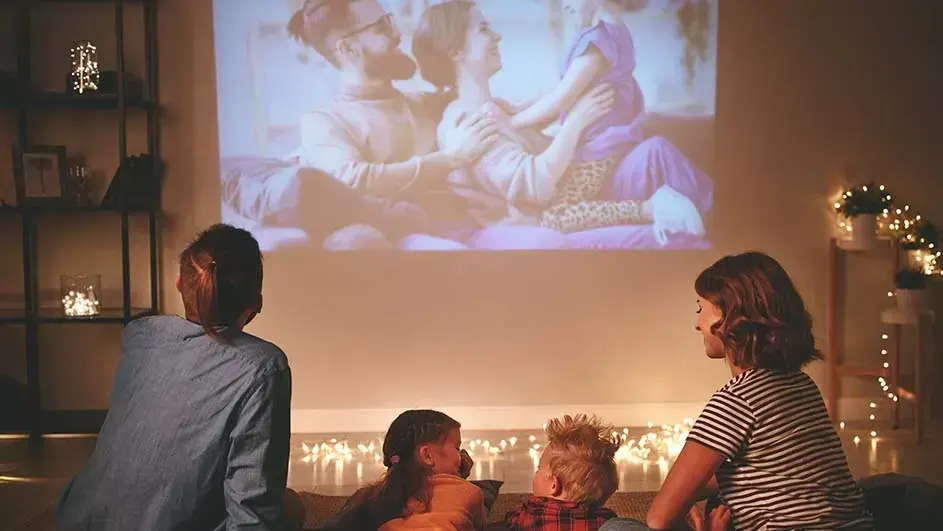
A family sit together in a warm room, watching a large film projection on the wall.

The room itself also plays a big part. A TV performs well in both bright and dark rooms. A projector works best in a room you can darken properly. The more ambient light there is, the less powerful and contrast-rich the image will appear. So if you're choosing a projector, pay close attention to how much light enters the room.

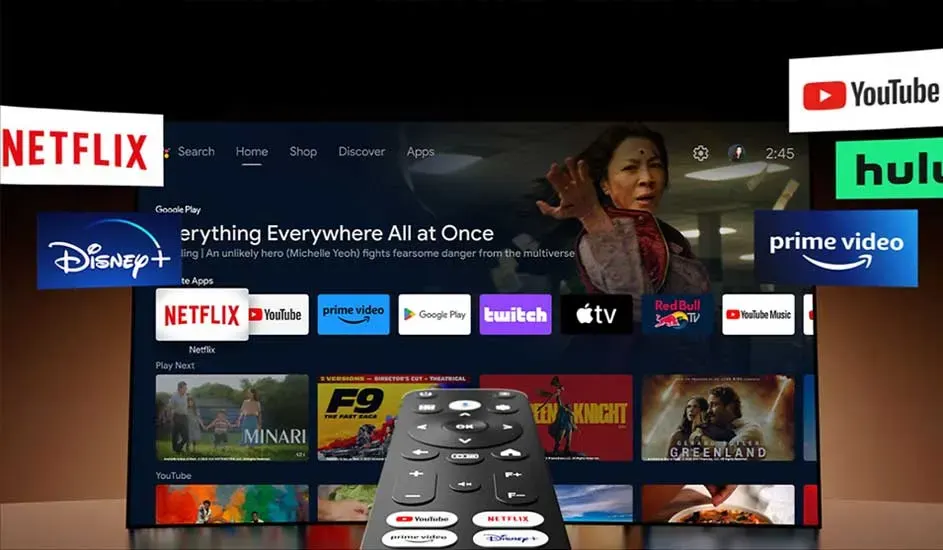
A smart television displays streaming apps such as Netflix and YouTube, with a remote control in the foreground.

Usage

Think in advance about what you'll mainly use the device for. If you watch a lot of films and series and want to create a home cinema feel, a projector is an appealing choice. A large projected image adds a lot to the experience, especially for film nights or sporting events.

If you'll mainly use it for everyday TV watching, gaming or quickly switching between apps and channels, a TV is often more practical. TVs start up quickly, deliver a stable picture in different rooms and are often more user-friendly for daily use. For work presentations or flexible use in different spaces, a projector can be a handy option.

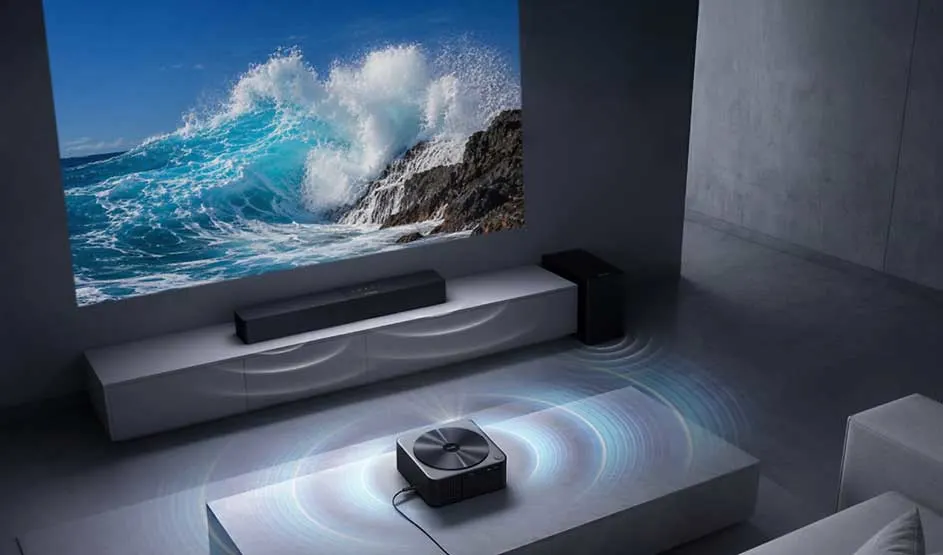
A projector displays a huge ocean wave while sound waves from speakers create a home cinema atmosphere.

Sound quality

Sound quality is also worth considering when making your choice. Many TVs have built-in speakers that are perfectly fine for everyday use. Still, plenty of people choose a soundbar or additional speakers for fuller, more powerful sound, especially when watching films or playing games.

With projectors, sound quality can vary a lot from one model to another. Some projectors have built-in speakers, but they aren't always powerful enough for larger rooms or more intensive use. If you want genuinely good sound, it's often a smart idea to connect an external speaker or soundbar.

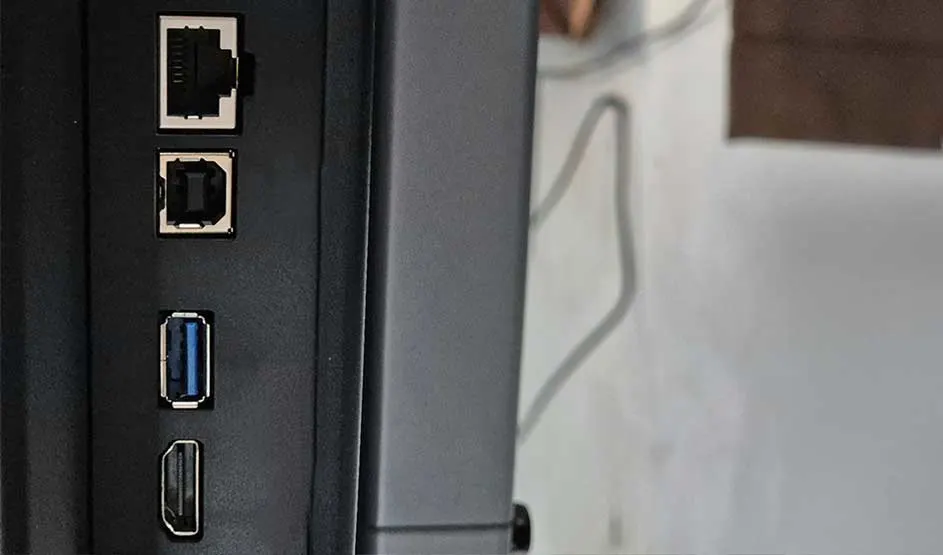
A close-up shows ports on a device: network sockets, USB and HDMI along the side.

Connections and smart features

It's also important to look closely at the connection options. Think about HDMI ports for a games console, soundbar, media player or laptop. TVs usually have several connections, such as HDMI, USB and sometimes ethernet or a CI+ slot. That makes it easy to connect multiple devices at the same time.

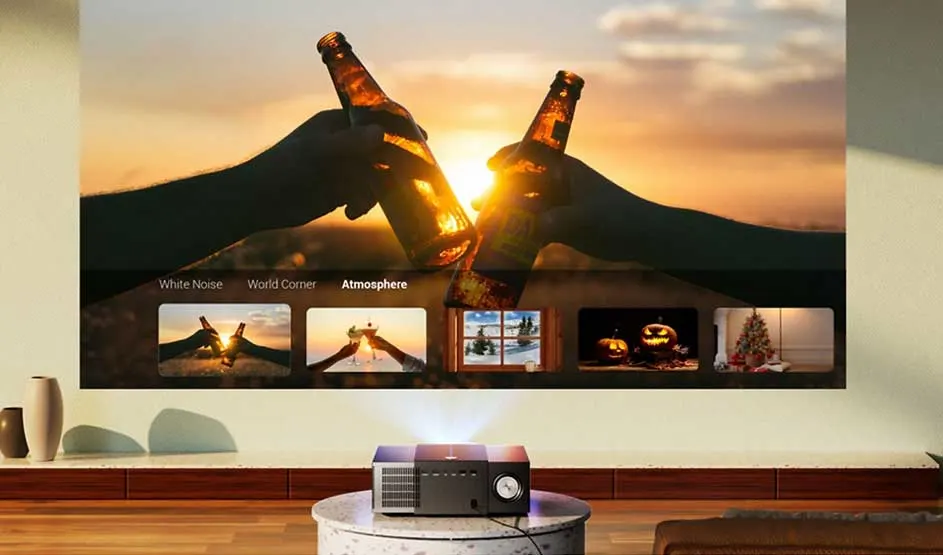
Projectors often come with HDMI, VGA and USB connections too, but the number of ports varies by model. So always check whether there are enough connections for your equipment. There are also both smart TVs and smart projectors with features such as Wi-Fi and built-in apps. This lets you stream films and series easily over the internet, often with a remote control or through an app on your phone, without needing a laptop and HDMI cable.

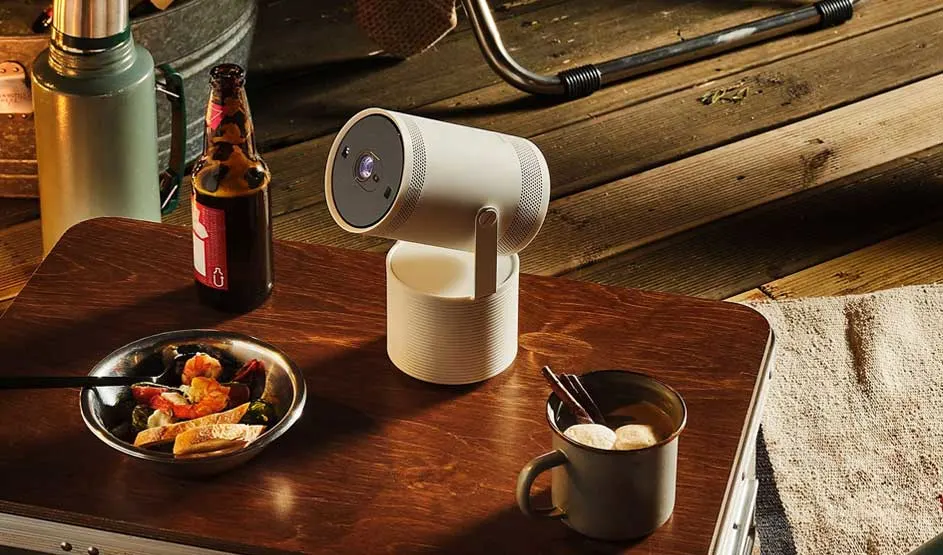
A compact projector sits on a wooden table beside food, drinks and camping gear in a cosy setting.

Installation options

Both a projector and a TV can be installed in different ways. For example, you can place a TV on a unit or mount it on the wall with a TV bracket. A projector also gives you several options. You can put it on a table, cabinet or other piece of furniture, or mount it on the ceiling. That's useful if you want to create a permanent home cinema setup.

How high should you mount your TV?
Someone cleans a glass surface with a yellow cloth, with focus on the hand and the wiping.

Maintenance

Proper maintenance helps both a projector and a TV last as long as possible. A TV usually requires very little upkeep. The main thing is to keep the screen free from dust with care and make sure there's enough ventilation around the device.

A projector often needs a bit more attention. For example, it's important to keep the lens clean and prevent dust from building up in the ventilation openings. With some projectors, you'll also need to consider the lifespan of the lamp. With regular maintenance and proper use, you can enjoy both your projector and your TV for a long time.

TV or projector: compare all the differences

Property nameTVProjector
Picture qualityUsually gives a brighter and sharper image. Often supports 4K, HDR and Dolby Vision. Performs well in both bright and dark rooms.Can display Full HD or 4K and sometimes supports HDR. Picture quality depends more heavily on how well the room is darkened and how much light enters the space.
Screen sizeAvailable in many sizes, from small to very large, but it's not flexible.Easily projects a large image, for example 100 inches, which you can adjust yourself.
Viewing distance and room sizeWorks well in different rooms. Viewing distance depends on the screen size. Also suitable for rooms with lots of daylight.Viewing distance also depends on the projected size. Works best in a darkened room with little ambient light.
How you'll use itHandy for everyday TV watching, gaming, streaming and quick use.Especially suitable for films, series, sport and presentations on a large image.
Sound qualityBuilt-in speakers are often fine for normal use. A soundbar provides more powerful sound.Built-in speakers vary by model and are often less powerful. An extra speaker or soundbar is often recommended.
Connections and smart featuresOften has multiple HDMI and USB ports and extensive smart features, such as apps, Wi-Fi and voice control.Also has connections such as HDMI and USB, but often fewer than a TV. Some models have Wi-Fi, apps or wireless control.
Installation optionsCan be placed on a unit or mounted on the wall.Can be placed on a table or piece of furniture or mounted on the wall or ceiling.
MaintenanceRequires little maintenance. Keeping the screen dust-free and ensuring good ventilation is often enough.Requires more maintenance. You'll need to keep the lens and ventilation openings clean. With some models, you'll need to consider the lifespan of the lamp.

Our advice on choosing between a TV and a projector

A projector shows two clinking bottles at sunset, with menu options and preview images below.

Whether a TV or a projector is the better choice depends on how and where you want to use it. A TV is often the most practical option for everyday use, while a projector really comes into its own if you want a large image and a more immersive film experience. So make sure you consider the room, viewing distance, the features you want and when you'll be using it. That way, you'll choose the device that best suits your needs.

Which TV should you choose?

FAQ

These articles may also be interesting for you